Blistering Skin Conditions
Written 2nd April 2020 - Last Update 21st July 2026
Blistering Skin Conditions
A differential-diagnosis approach to blistering skin lesions. See Bullous Pemphigoid and Dermatitis Herpetiformis for detail on the two most important chronic autoimmune causes.
Definitions
Fluid-filled skin lesions: vesicles are <5mm, bullae are >5mm. When blisters are de-roofed they form an erosion; the serous fluid that comes out forms a crust.
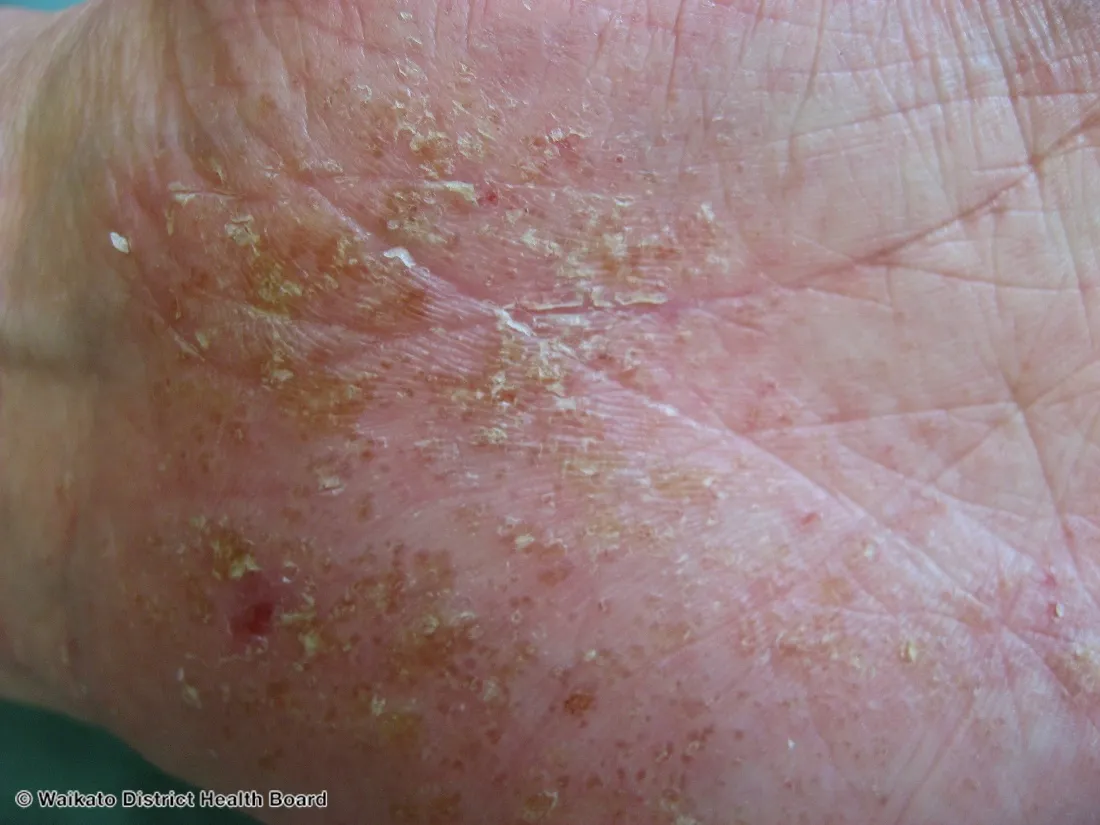
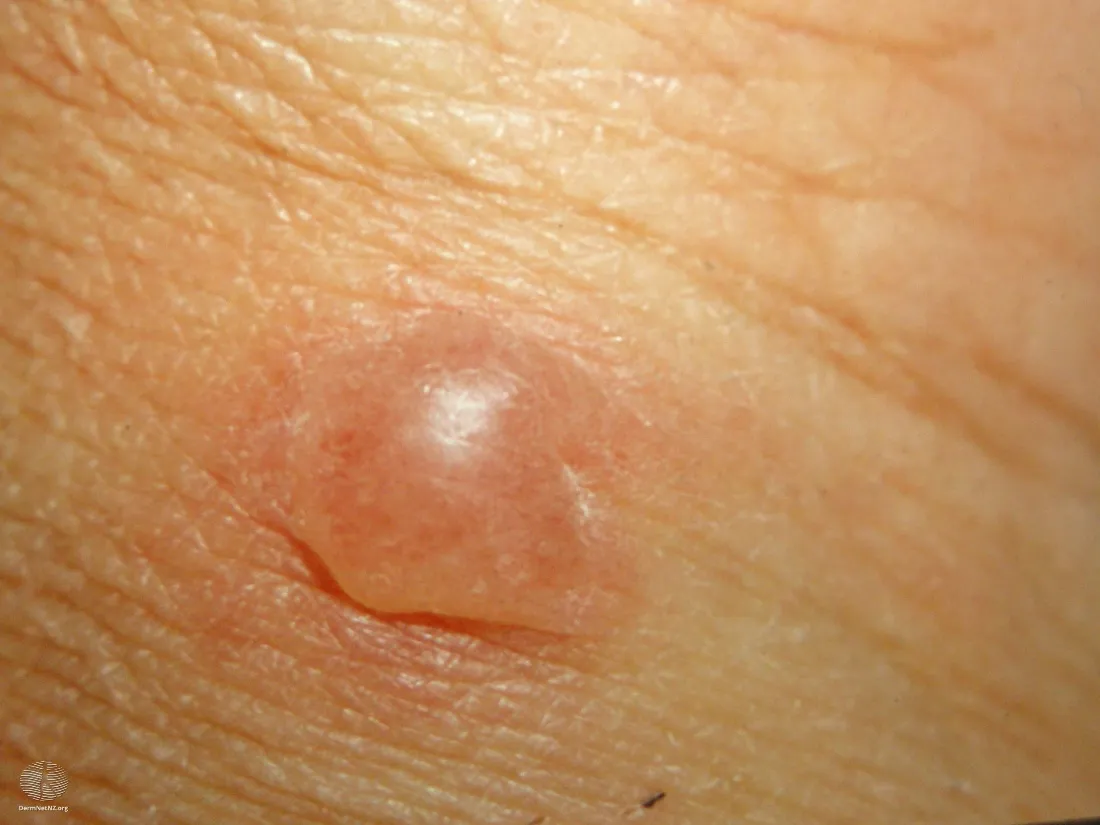
Acute blistering diseases may be generalised or localised, and due to infection or inflammation.
Acute generalised blistering diseases
- Atypical enterovirus infection — widespread vesicular eruption, clears in a few days.
- Chickenpox/varicella — scalp, face, mucosa, trunk.
- Eczema herpeticum — herpes simplex complicating atopic dermatitis.
- Discoid (nummular) eczema.
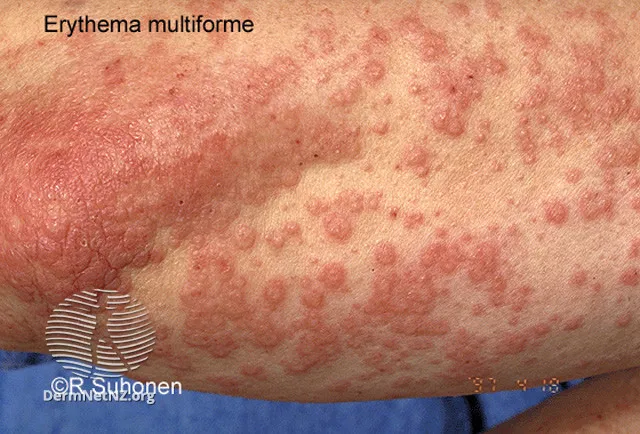
- Erythema multiforme — target lesions (see its own page).
- SJS/TEN — patients are very unwell, mucosal involvement, nearly always drug-induced, skin comes off in sheets (see Drug Reactions & SCARs).
- Drug hypersensitivity syndrome (DRESS) — morbilliform eruption which may blister, often with mucosal involvement and marked eosinophilia.
- Staphylococcal scalded skin syndrome — young children, unwell, red skin comes off in sheets.
Acute localised blistering conditions
- Dermatitis
- Bullous impetigo
- Chilblains — fingers and toes in winter, painful, purplish tender plaques
- Enteroviral vesicular stomatitis (hand, foot and mouth disease)
- Erysipelas
- Fixed drug eruption — recurring rash at the same site, occurring with an intermittently taken drug within 24 hours of rash onset, central blister
- Herpes simplex — umbilicated vesicles
- Herpes zoster
- Insect bites/stings
- Burns — friction, thermal, radiation, chemical
Chronic acquired blistering conditions
Many possible causes; usually requires biopsy to make the diagnosis.
- Bullous pemphigoid — cutaneous (not mucosal), elderly, eczematous or urticarial precursors (see its own page for full detail).
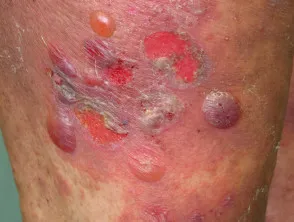
- Porphyria cutanea tarda — metabolic photosensitivity; skin fragility, bullae, and milia on the backs of the hands and face; middle-age onset.
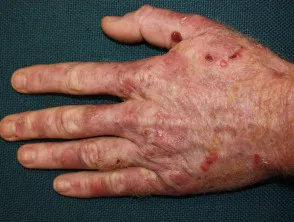
- Other autoimmune blistering conditions to know alongside bullous pemphigoid: dermatitis herpetiformis (see its own page), pemphigus, pemphigoid gestationis, acquired epidermolysis bullosa, and linear IgA disease — all should be worked up (biopsy for histology and a fresh sample for direct immunofluorescence, which is time-sensitive — liaise with the lab/specialist on handling) and managed in conjunction with dermatology.