Acute Rheumatic Fever
Written 9th November 2020 - Last Update 16th August 2026
Acute Rheumatic Fever
Now rare overall, but still prevalent among Aboriginal and Torres Strait Islander communities — an ongoing national health priority. Predominantly affects children aged 5–14. Occurs 10 days–6 weeks after a streptococcal infection (usually pharyngitis) — an inflammatory process involving the heart and other tissues. See also scarlet fever (another post-strep condition).
Symptoms
Fever; polyarthritis or aseptic mono-arthritis; Sydenham chorea (often face/tongue); erythema marginatum (annular erythema); subcutaneous painless nodules over joints (rare, only in severe disease).
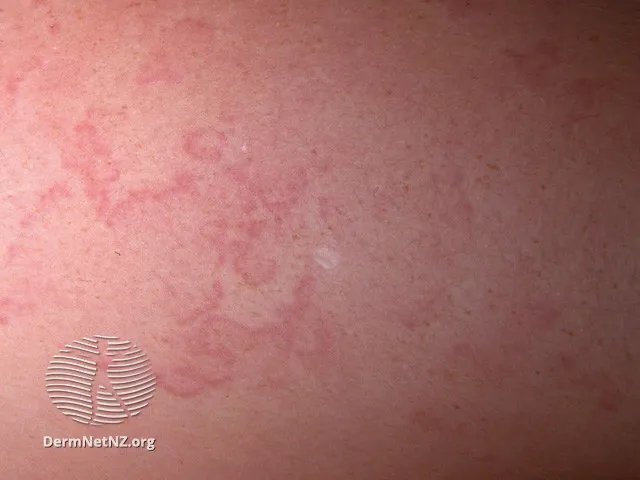
Other features: carditis; prolonged PR interval.
Diagnostic criteria (modified Jones criteria, risk-stratified)
- Initial episode: 2 major, or 1 major + 2 minor manifestations, plus evidence of preceding group A strep infection.
- Recurrent episode (past ARF or RHD): 2 major, or 1 major + 2 minor, or 3 minor manifestations, plus evidence of preceding GAS infection.
| High-risk groups | All other individuals | |
|---|---|---|
| Major manifestations | Carditis (incl. subclinical rheumatic valve disease on echo); polyarthritis, aseptic mono-arthritis, or polyarthralgia; Sydenham chorea; erythema marginatum; subcutaneous nodules | Carditis (incl. subclinical echo findings); polyarthritis only; Sydenham chorea; erythema marginatum; subcutaneous nodules |
| Minor manifestations | Fever; ESR ≥30 mm/hr or CRP ≥30 mg/L; prolonged PR interval | Fever; polyarthralgia or aseptic mono-arthritis; ESR ≥30 mm/hr or CRP ≥30 mg/L; prolonged PR interval |
(High-risk groups have a lower diagnostic threshold — polyarthralgia counts as major, and joint findings can’t double as both major and minor in the standard-risk group.)