Erythema Multiforme
Written 1st April 2020 - Last Update 21st July 2026
Erythema Multiforme
Condition
A hypersensitivity reaction affecting skin and mucosal surfaces. Most commonly triggered by viral infection — herpes simplex virus (HSV-1 more than HSV-2) is the leading cause, followed by Mycoplasma pneumoniae; many other infections can also trigger it. Resolves without complications. Young adults are most commonly affected, though all ages can be, and males more than females.
Erythema multiforme does not progress to SJS/TEN — these are distinct entities with different trigger profiles (EM is predominantly infection-driven; SJS/TEN is predominantly drug-driven). See Drug Reactions & Severe Cutaneous Adverse Reactions for that differential.
Clinical features
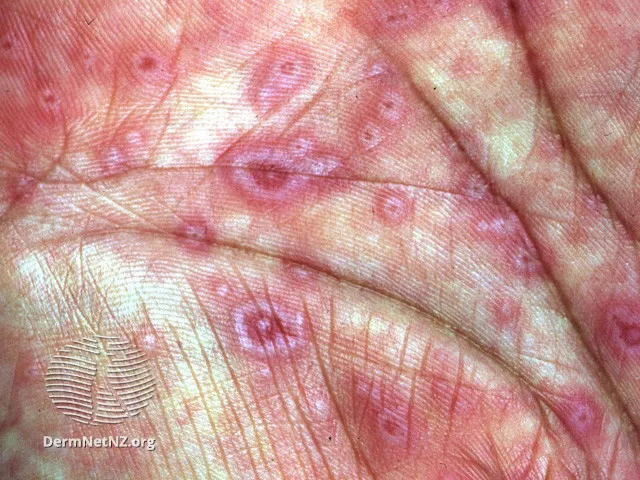
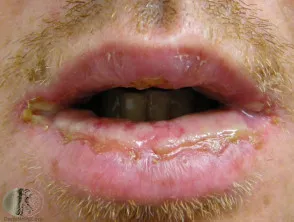
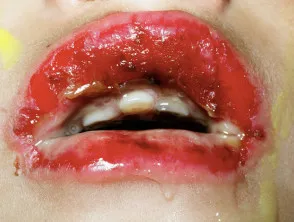
Target lesions on the backs of the hands and palms, spreading up the arms to the trunk; similar distribution on the legs if involved; also affects the face. Distribution is symmetrical. Mucosal lesions (redness of the lips and inside of the cheeks) develop a few days after the rest of the rash.
Investigations
Clinical diagnosis; skin biopsy if uncertain.
Management
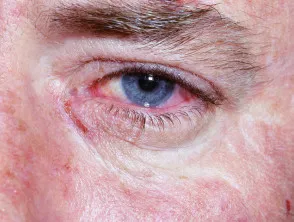
Treat the underlying trigger — aciclovir for HSV-associated EM, antibiotics for Mycoplasma. Symptomatic care: antihistamines or topical steroids for itch; anaesthetic mouthwash for oral pain. Refer to ophthalmology if eye involvement.