Spinal Muscular Atrophy
Written 29th July 2020 - Last Update 23rd July 2026
Spinal Muscular Atrophy
There are 4 types — Type 1 is evident at birth, with the others typically manifesting in successively older age groups.
Demographics
Affects 9.1 per 100,000 live births. 95–98% of patients are homozygous for an SMN1 gene defect (both parents carry the recessive gene).
Clinical features
Typically presents with hypotonia and weakness — symmetric, progressive, more proximal than distal, and greater in the legs than arms.
| Type | Presentation |
|---|---|
| I | Infants <6 months: progressive hypotonia, symmetrical limb weakness, poor head control, reduced/absent reflexes |
| II | Infants/children: progressive proximal leg weakness with hypotonia and areflexia |
| III | Children and adults: progressive proximal weakness, legs more than arms |
| IV | Adults: mild proximal limb weakness developing in adulthood |
Examination
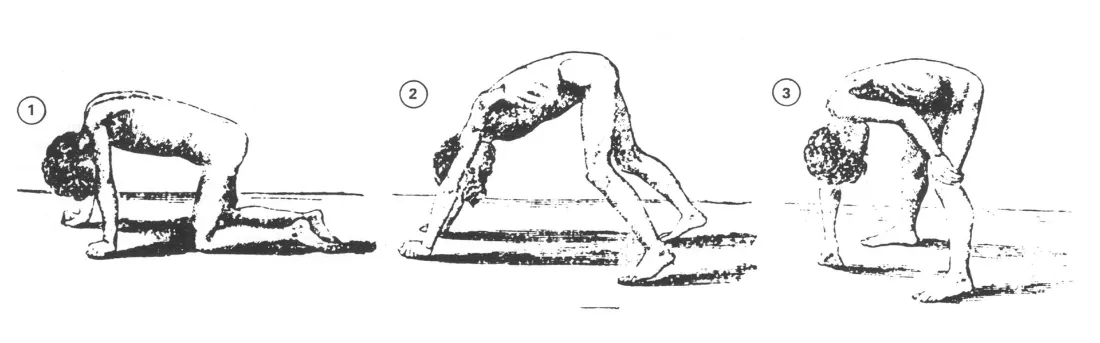
Proximal muscle weakness; check reflexes; Gower’s test.
Investigations
Genetic testing for SMN1 exon 7 deletion on chromosome 5.
Management
Disease-modifying therapies have transformed SMA management — what was once a near-uniformly fatal diagnosis for Type 1 infants is now, for many, a treatable chronic condition, and all three agents below are PBS-funded in Australia:
- Nusinersen (Spinraza) — intrathecal antisense oligonucleotide, PBS since 2018, for symptomatic patients <18 years.
- Onasemnogene abeparvovec (Zolgensma) — a one-off AAV gene therapy, TGA-approved February 2021 and PBS-funded since May 2022, for pre-symptomatic/Type 1 SMA in infants <9 months.
- Risdiplam (Evrysdi) — oral SMN2-splicing modifier, PBS-listed 2021.
Early referral to a paediatric neurologist/SMA specialist centre is essential as soon as SMA is suspected or confirmed — these therapies are time-critical, and outcomes are substantially better the earlier treatment starts (including via newborn screening, now also expanding in Australia). Access and equity considerations (funding criteria, timing of diagnosis relative to treatment windows) remain an active area of clinical-ethical discussion as this evolving therapeutic landscape continues to shift what “early” and “eligible” mean in practice (registry: ajgp-sma-therapeutic-landscape-2022; verified 2026-07-23; registry: ajgp-sma-ethics-2022; verified 2026-07-23).
Alongside disease-modifying therapy, supportive goals remain relevant: reducing illness burden on patient and family, reducing hospitalisation/ICU admissions, managing complications, and providing family education and genetic counselling.