Behcet's Syndrome
Written 1st August 2020 - Last Update 15th August 2026
Behcet’s Syndrome
An auto-inflammatory systemic vasculitis of unknown cause, affecting arteries and veins of all sizes and causing ulceration — commonly affecting oral, genital and ocular mucosa. This is distinct from a classic autoimmune disease: patients lack the specific autoantibodies seen in conditions like SLE.
Demographics
Uncommon in Australia; prevalence is high along the ancient Silk Route (Turkey, Iran, Japan, Korea, China, Iraq, Saudi Arabia). Approximately 1000 people live with Behçet’s in the UK, for comparison. Although often classified as a systemic vasculitis, vasculitis is present in only up to 25% of patients.
Clinical features
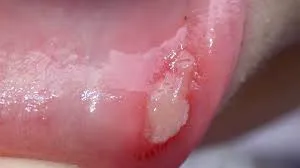
Painful mouth ulcers (aphthous ulcers) are usually the first outward sign, occurring in 97–99% of patients, but for years beforehand patients may have recurrent non-specific symptoms:
- Sore throat and tonsillitis
- Muscular and joint pain
- Malaise, generalised weakness
- Anorexia, weight loss
- Headache
- Fluctuating body temperature
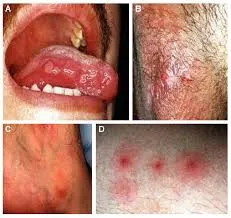
Mouth ulcers can occur anywhere in the mouth (tongue, inside lips/cheeks), usually lasting 1–2 weeks (occasionally up to 3 weeks).
- Genital ulcers: less frequent than mouth ulcers; painful, usually heal with scarring (distinct from genital herpes, which is viral).
- Eye involvement: uveitis (reddening/swelling of eye tissue); retinal involvement can lead to blindness if untreated.
- Skin lesions: painful erythema nodosum nodules are common; acne-like sores may occur on the arms, legs and trunk.
Diagnosis
At least 3 episodes of recurrent oral ulcers in 12 months, plus 2 or more of:
- Genital ulcers
- Eye involvement (uveitis or retinal damage)
- Skin lesions
- Positive pathergy test (skin-prick test)
No specific laboratory or serological test exists for Behçet’s.
Management
Requires specialist ophthalmology referral if eye involvement is present. There is no cure — management aims to control symptoms and prevent complications, typically via a multidisciplinary team.
BSR/BAD living guideline (2025)
The first joint British Association of Dermatologists/British Society for Rheumatology Behçet’s guideline was developed with a multidisciplinary group (dermatology, rheumatology, gastroenterology, ophthalmology, oral medicine, neurology, obstetrics/gynaecology, clinical psychology) and two people with lived experience of Behçet’s, using GRADE methodology. It makes 87 recommendations across general management (13), skin (9), joints (9), GI (11), eyes (7), neurology (21), vascular (8), psychological support (4) and conception/pregnancy/breastfeeding (5) — reflecting how genuinely multisystem this disease is, well beyond the classic oral-genital-ocular triad (registry: bsr-behcets-2025; verified 2026-07-23).
Medications
Topical therapy: tetracycline solution, topical corticosteroids, local anaesthetics.
Systemic therapy: oral corticosteroids; NSAIDs (aspirin, ibuprofen); immunosuppressants (azathioprine, chlorambucil); colchicine; cyclophosphamide; thalidomide; potassium iodide; apremilast (FDA-approved specifically for Behçet’s oral ulcers); a TNF-alpha inhibitor biologic (adalimumab) for refractory/severe disease.
Acute oral or genital ulceration:
- Triamcinolone acetonide 0.1% paste applied to lesions 2–3 times daily, OR
- Prednis(ol)one 10–15mg orally daily until pain controlled (typically 5 days), then taper over 1–2 weeks to stop.
Prevention of ulceration and treatment of arthritis: colchicine 500microg orally once or twice daily (reduce dose in renal impairment).
Prognosis
A chronic disease with acute phases of varying intensity — attacks may be frequent and prolonged early on, with longer intervals over time and occasional remission (which can still relapse). Mortality is ~4%, mainly from GI perforation, CNS involvement or vascular aneurysm. Most patients live a full life, generally with some ongoing symptom burden.