Cataracts — Adult & Congenital
Written 15th July 2020 - Last Update 23rd July 2026
Cataracts — Adult & Congenital
A cataract is any lens opacity.
Adult-onset cataract
Extremely common with age: ~65% of people aged 50–59 and essentially all people over 80 have some lens opacity.
History — hallmark is gradual visual loss:
- Reading difficulty
- Difficulty recognising faces
- Driving difficulty, especially at night
- Difficulty with television viewing
- Reduced ability to see in bright light
- Haloes around lights
Risk factors: advancing age, diabetes mellitus, smoking, corticosteroids (topical or oral), long-term UV exposure, trauma, uveitis.
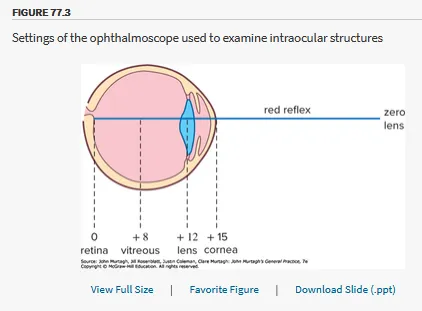
Examination: normal direct pupillary light reflex; reduced visual acuity (may improve with pinhole); diminished red reflex on ophthalmoscopy (especially notable at +12 lens setting).
Management: refer to ophthalmology once symptoms become unmanageable — surgical intervention (lens extraction/replacement) is the definitive treatment.
Prevention: sunglasses (UV protection).
Congenital and childhood cataract
Can be congenital (present at birth) or acquired.
- Congenital — possible causes include TORCH infections
- Acquired — metabolic disorders (e.g. diabetes) or eye injury
Children require urgent ophthalmology assessment to plan treatment. Surgical removal is often needed urgently because of the risk of amblyopia from disrupted visual neurodevelopment (the eye-to-brain neural connections) if a visually significant cataract is left untreated in early childhood.