Bacterial (Microbial) Keratitis
Written 15th July 2020 - Last Update 23rd July 2026
Bacterial (Microbial) Keratitis
Infectious keratitis is a sight-threatening ophthalmic emergency — urgent same-day referral to an ophthalmologist is essential regardless of organism.
Presentation
Classic triad: pain + photophobia + reduced vision.
- Painful red eye, watery discharge, photophobia, reduced vision
- A white spot (infiltrate/ulcer) is usually visible on the cornea; yellow purulent discharge on the eyelids and intense conjunctival hyperaemia may accompany a central corneal opacity
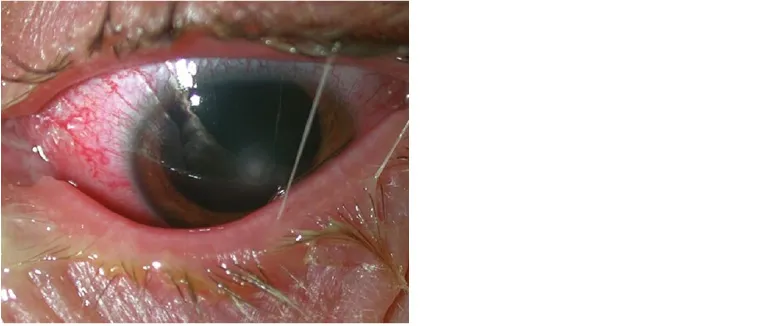
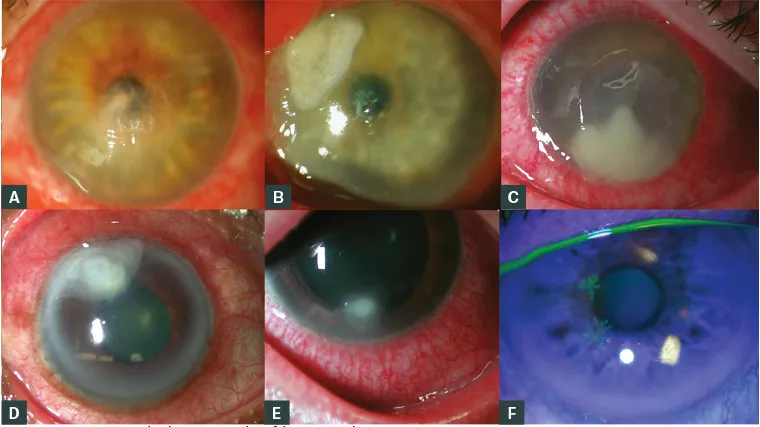
Causative organisms (Australian data)
- Gram-positive coagulase-negative Staphylococci and S. aureus are the most common causes of bacterial keratitis in Australia
- Pseudomonas aeruginosa (gram-negative) is strongly associated with contact lens wear — it can penetrate an intact corneal epithelium, causing bilateral keratitis with endophthalmitis and poor outcomes requiring prolonged, costly treatment. Swimming or showering while wearing contact lenses is a specific, avoidable red flag — the organism is ubiquitous in fresh water and can shelter on the posterior lens surface, protected from host defences
- Acanthamoeba (also water/soil/air-ubiquitous) is likewise linked to poor contact lens hygiene, is typically very painful, and needs early diagnosis given the prolonged treatment course if missed
Risk factors
Contact lens wear (especially with poor hygiene — swimming/showering in lenses, non-medical lens sources), corneal trauma or surgery, post-herpetic corneal lesion, dry eye, immunosuppression, diabetes, topical corticosteroid use.
Management
- Urgent same-day ophthalmology referral (ED if needed) — do not delay
- Ophthalmology will consider corneal scrape before starting treatment
- Do not start empirical antibiotic therapy if referral is not delayed — this reduces the diagnostic yield of corneal scrapings and confounds the microbiology needed to direct treatment
- If referral genuinely will be delayed: ciprofloxacin 0.3% eye drops, 1 drop hourly (including overnight) into the affected eye
- Patients wearing contact lenses should remove them themselves (or have them removed) prior to referral
Prevention (patient education)
Advise against swimming or showering in contact lenses, against buying lenses from non-medical sources, and reinforce proper lens hygiene generally — these are the specific, modifiable risk factors behind the highest-morbidity organisms (Pseudomonas, Acanthamoeba).