Neurofibromatosis
Written 30th May 2020 - Last Update 21st July 2026
Neurofibromatosis
An autosomal dominant genetic condition — an affected individual has a 50% chance of passing it to each child. Severity of cutaneous disease does not predict internal manifestations.
NF1 (~1 in 3,000 births)
More outward signs than NF2, but generally the milder form. Diagnostic features:
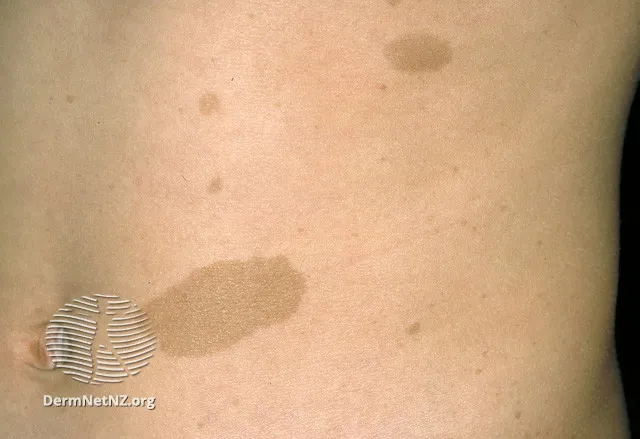
- ≥6 café-au-lait macules — flat, light-brown birthmarks
- Freckling in skin folds (e.g. axillae — Crowe sign)
- Lisch nodules in the iris (appear after puberty)
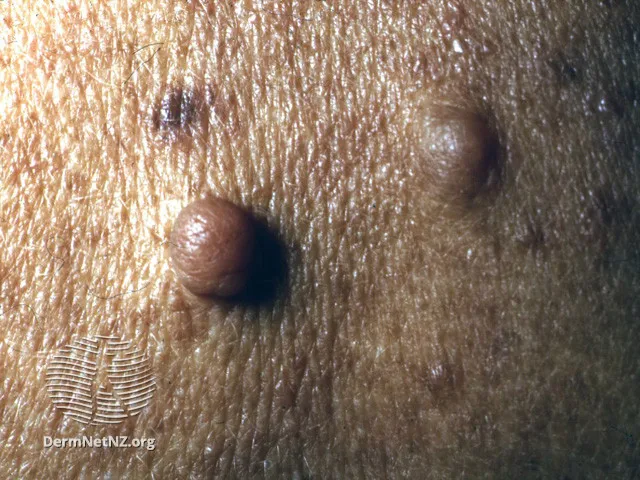
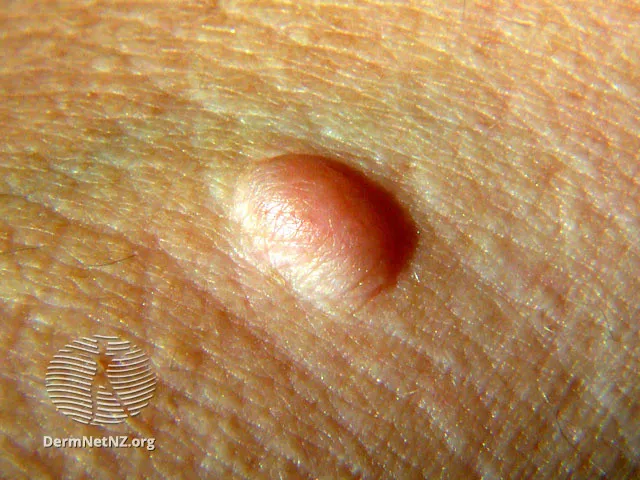
- Multiple neurofibromas — soft cutaneous nerve-sheath tumours
Complications: long-bone malformation, short stature, learning difficulties, visual loss from optic nerve gliomas, hypertension, spinal/brain tumours (with epilepsy), hearing deficits, GI bleeds from tumours, and a 3–15% lifetime risk of malignant transformation.
NF2 (~1 in 50,000 births)
More serious. Characterised by multiple brain and spinal cord tumours:
- First sign is often hearing loss from a tumour on the auditory (vestibulocochlear) nerve — typically bilateral vestibular schwannomas (acoustic neuromas), the hallmark of NF2.
Neurofibromas
Common nerve-sheath tumours. Solitary lesions are not associated with NF1. Skin-coloured, soft-to-firm papule/nodule with a smooth surface; pressing the lesion causes it to invaginate (“buttonhole invagination”).
Management
Monitor for tumour development and complications — periodic paediatric/specialist follow-up (every 6–12 months in childhood). Selumetinib (a MEK inhibitor) received FDA approval as the first targeted therapy for symptomatic, inoperable plexiform neurofibromas — 2020 for children, November 2025 extended to adults. Australian TGA/PBS approval status not independently confirmed — check current availability before relying on this as an Australian treatment option.