Brain neoplasm
Written 30th May 2020 - Last Update 21st July 2026
Brain neoplasm
A space-occupying lesion (cerebral tumour, or a mimic such as subdural haematoma) raises intracranial pressure. Note that headache is an uncommon presenting symptom of a cerebral tumour — most present with focal deficits, seizures, or personality change.
Murtagh’s triad for raised ICP: vomiting + drowsiness + seizure.
Raised-ICP headache pattern
- Daily, worse in the morning for several hours; may be constant
- Generalised, often occipital, radiating behind the eyes; dull, deep, steady
- Aggravated by coughing, sneezing, straining (Valsalva)
- Vomiting, classically without preceding nausea
- Associated vertigo/dizziness, drowsiness, seizures, confusion
Examination
- Focal CNS signs
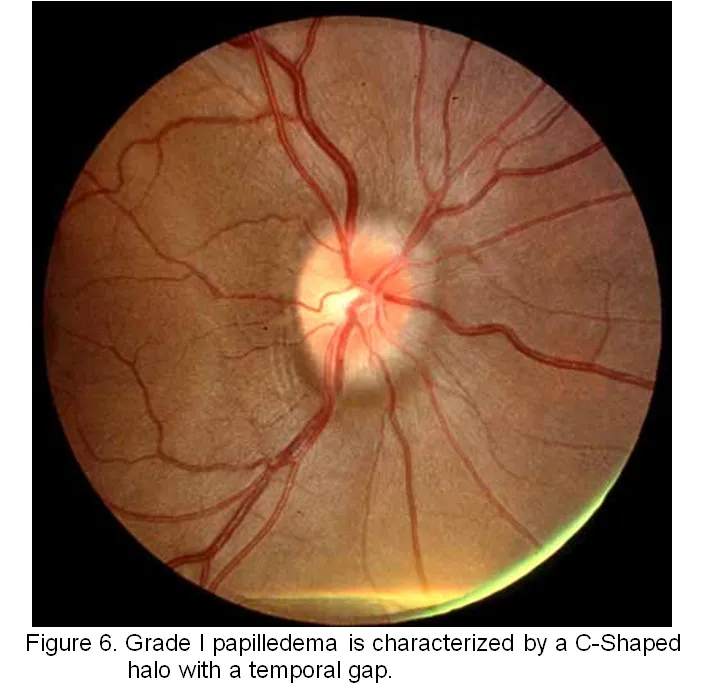
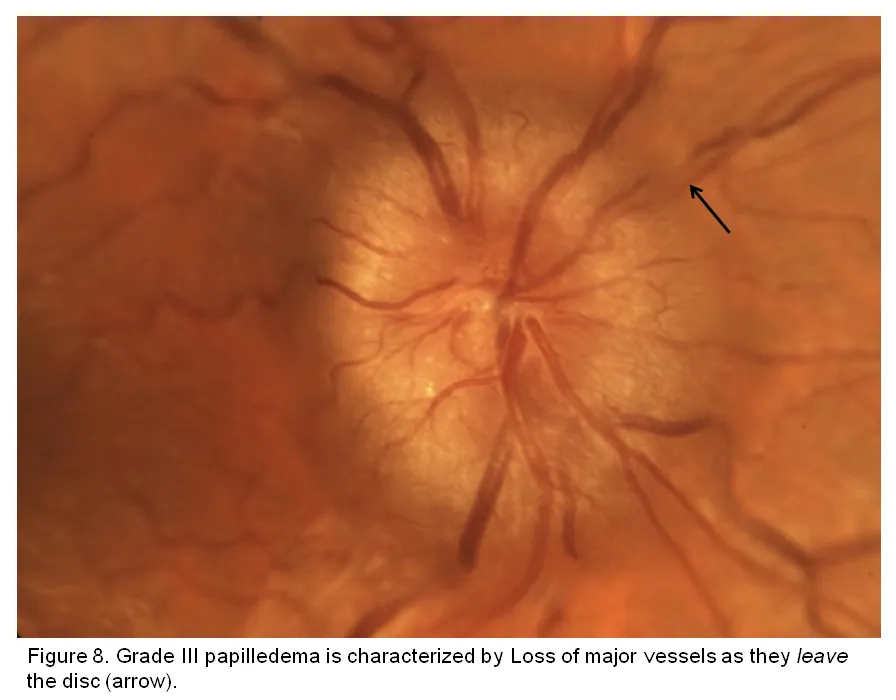
- Papilloedema
Tumour types by age
Two incidence peaks: <10 years and 35–60 years.
- Children (mostly infratentorial): medulloblastoma, posterior fossa astrocytoma, ependymoma, brainstem glioma
- Adults: cerebral glioma, meningioma, pituitary adenoma, cerebral metastases
Investigations
Imaging — MRI preferred; CT acceptable initially/for acute presentations.