Worm infections- Pin, Round, Hook, Thread
Written 15th August 2020 - Last Update 19th July 2026
Worm infections — pin, round, hook, thread
Soil-transmitted helminths (nematodes)
Hookworm, roundworm (Ascaris), thread/pinworm and whipworm are treated with:
- Albendazole 400 mg (child <10 kg: 200 mg) orally as a single dose, or
- Mebendazole 100 mg (child <10 kg: 50 mg) BD for 3 days, or
- Pyrantel 1 g (child 10 mg/kg) daily for 3 days (not whipworm).
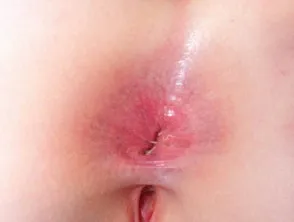
Pinworm/threadworm (Enterobius) causes nocturnal pruritus ani — the female worm lays eggs on perianal skin at night; eggs survive ~2 weeks in the environment, so treat the whole household and launder bedding/clothing.
Tapeworm (cestodes)
Pork (Taenia solium) and beef (T. saginata) tapeworm: praziquantel 10 mg/kg as a single dose, or niclosamide 2 g (child 50 mg/kg up to 2 g) single dose.
Hydatid disease (Echinococcus)
Dogs are the definitive host; humans develop large cysts (commonly liver, also lung, brain, bone). Asymptomatic infection may just be monitored.
- Surgical excision is the treatment of choice for concerning cysts (reduces recurrence), with albendazole cover (400 mg BD with fatty meals) for 1 week before and 4 weeks after surgery to reduce seeding.
- If surgery fails or is complicated by cyst spillage, combine praziquantel + albendazole. Pulmonary cysts may respond to albendazole alone. Seek specialist advice.
Cutaneous larva migrans (hookworm)
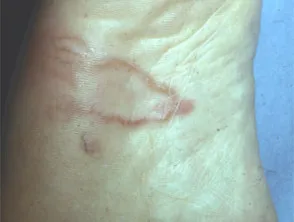
Animal hookworm larvae (cat/dog faeces in warm sandy soil) burrow into skin, causing an intensely itchy, serpiginous, migrating track — in barefoot beachcombers, children in sandpits, gardeners, plumbers, etc. Humans are a dead-end host, so it is self-limiting (resolves in 4–8 weeks), but treat to relieve symptoms: topical/oral therapy (e.g. topical thiabendazole for small localised lesions, or systemic albendazole/ivermectin if widespread), plus antihistamines/topical steroids for itch and antibiotics for secondary infection.