Varicella (Chickenpox)
Written 1st March 2020 - Last Update 11th September 2020
Varicella (Chickenpox)
Condition
Primary varicella-zoster virus infection, spread by respiratory droplets or direct contact with blister fluid; incubation 10–21 days. Now much less common due to vaccination; normally affects children under 10. Generally benign, but death can occur from viral pneumonia/fulminant infection in immunocompromised patients or neonates (rarely in others).
Clinical features
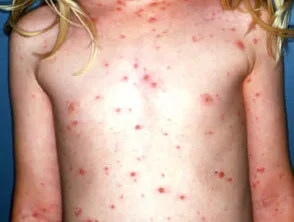
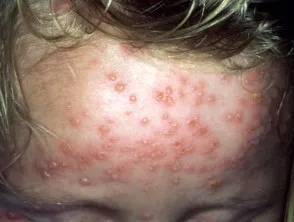
Children: often no prodrome, then mild fever/lethargy — not usually very sick. Adults: 2–3 day prodrome of fever/myalgia/headache, then more severe disease. The rash is vesicular with centripetal distribution (more on the torso, progressively less distally on the limbs), appearing in crops, and pruritic. Classic triad: known infectious contact + itchy blistering rash + fever.
Investigations
Usually a clinical diagnosis; can swab lesions for PCR if needed.
Management
General: rest until well; paracetamol for fever (avoid aspirin — Reye syndrome risk); calamine lotion and antihistamines for itch.
Antivirals by population:
- Neonates — need specialist management, refer to ED.
- Immunocompetent children, no underlying skin condition — antivirals not needed.
- Immunocompetent children with a significant skin condition (e.g. eczema) — aciclovir 20 mg/kg 5 times daily, or valaciclovir 20 mg/kg three times daily, for 7 days.
- Immunocompetent adults — treat if within 36 hours of rash onset (non-pregnant) or 72 hours (pregnant): valaciclovir 1 g three times daily for 7 days.
- Immunocompromised patients — need IV antivirals.
Complications (more common in adults): secondary bacterial infection, dehydration, asthma exacerbation, streptococcal cellulitis, CNS infection, thrombocytopenia, pneumonia. Isolation: highly contagious for 1–2 days before the rash appears until all blisters have crusted over. Pregnancy exposure: can cause viral pneumonia, preterm labour, and rarely maternal death; ~25% of fetuses become infected, which may remain asymptomatic or later present as zoster at a young age without a prior primary-infection history.