Pityriasis Rosea
Written 1st March 2020 - Last Update 16th August 2026
Pityriasis Rosea
Condition
A viral rash lasting 5–8 weeks, associated with reactivation of human herpesvirus 6/7 (the same viruses implicated in roseola). Influenza viruses/vaccines have also triggered it in some cases. Most commonly affects teenagers and young adults, though anyone can be affected.
Clinical features
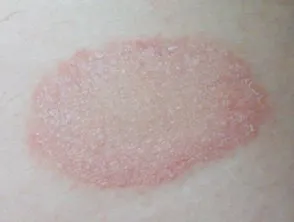
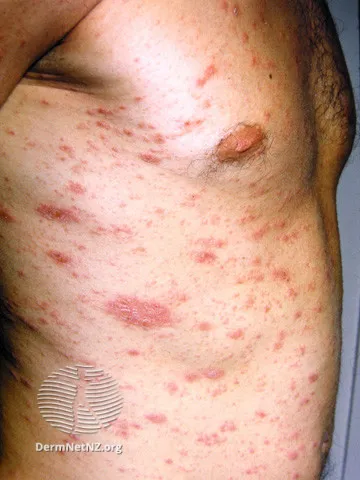
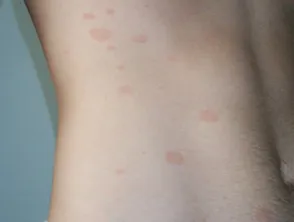
Classic triad: history of URTI (not always present) + herald patch + development of a widespread rash. The herald patch is a single 2–5 cm oval plaque with a trailing scale just inside the lesion edge, appearing 7–14 days before the generalised rash. It’s followed by smaller scaly patches/plaques on the chest and back, typically following the relaxed skin tension (cleavage) lines on both sides of the upper trunk. Usually not itchy, though can be in some cases.
Investigations
None required — clinical diagnosis.
Management
Reassure the patient it will resolve over 5–8 weeks and that they are not infectious. Bathe/shower with plain water and bath oil or a soap substitute; moisturise dry skin; cautious sun exposure (without burning) may help; a low-dose steroid cream can reduce itch while awaiting resolution. Pregnancy: early-pregnancy pityriasis rosea has been reported to be associated with miscarriage in some studies (8 of 61 women in one series) — counsel accordingly.