Herpes Zoster (Shingles)
Written 1st March 2020 - Last Update 16th August 2026
Herpes Zoster (Shingles)
Condition
After primary varicella infection, the virus remains dormant in dorsal root ganglia. Incidence increases with age (older adults with prior varicella most affected), though it can rarely occur in childhood.
Clinical features
Pain relating to one or more sensory nerves, sometimes severe, plus possible fever, headache, and tender regional lymphadenopathy. A blistering rash appears 1–3 days after pain onset in a dermatomal distribution, starting as a crop of red papules; new lesions erupt over several days, each blistering/pustulating then crusting over (erupting over ~1 week, healing over ~2 weeks). Immunocompromised patients may develop a multi-dermatomal rash with systemic symptoms. Triggers can include nerve root pressure, radiotherapy, spinal surgery, infection, injury, or contact with someone with varicella/zoster.
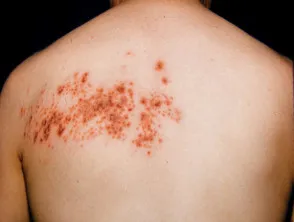
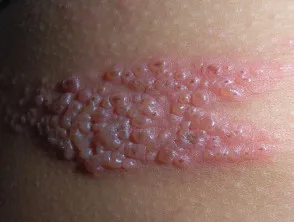
Investigations
Usually a clinical diagnosis; PCR of a lesion swab if uncertain.
Management
Ophthalmology referral if the eye is involved. If the rash has been present for <72 hours, antiviral therapy (valaciclovir 1 g three times daily for 7 days) reduces acute pain, rash duration, viral shedding, and ocular complications (effect on post-herpetic neuralgia rates is unclear). Rest, pain relief, and a protective ointment (e.g. petroleum jelly) on the rash. Infectious to those who haven’t previously had chickenpox. Post-herpetic neuralgia (pain persisting for more than 3 months after the onset of herpes zoster) is difficult to treat and may respond to local anaesthetics, tricyclic antidepressants, anti-epileptics (e.g. gabapentin), or botulinum toxin.